
Building Service · Greater Manchester
Basement Conversions& Underpinning in Salford & Manchester.Engineered. Tanked. Signed off.
Add a fully habitable lower storey, bedroom, gym, cinema room, annexe, to a property that has nowhere else to grow, on a basement-specialist contract with structural engineer and waterproofing designer in-house.
Chartered structural engineer · Type C cavity-drained waterproofing · Building Control signed off
Overview
What it is, who it's for and why it matters.
What it is
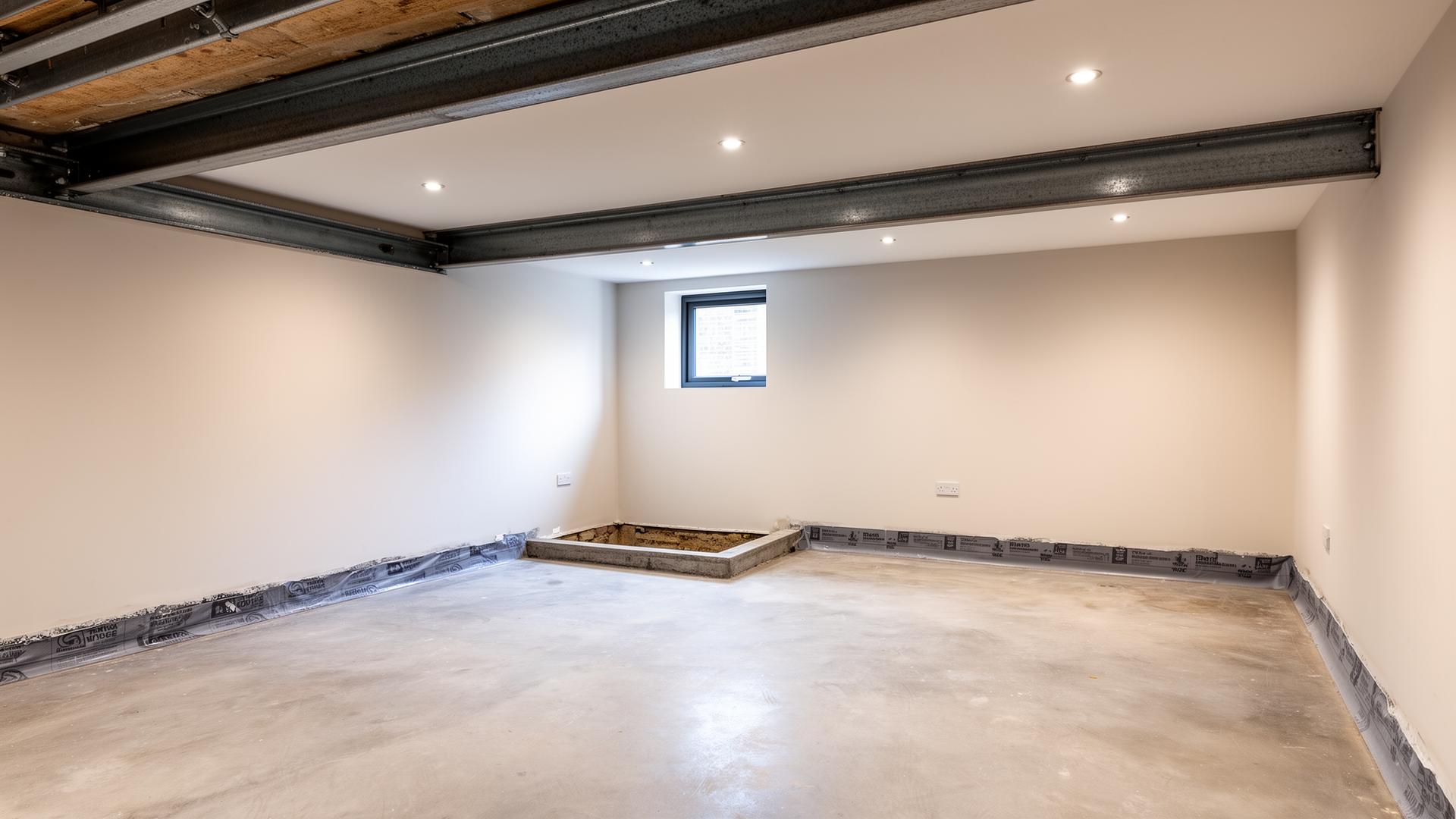
A basement conversion converts an existing cellar (or creates a new sub-floor) into a habitable, tanked, insulated, Building Control-approved room. Where structural lowering is required, we underpin the property in engineer-designed pin sequences before the floor is dropped.
Who it's for
Homeowners on tight urban plots in Manchester and Salford where extension is no longer possible. Property investors maximising floor area in inner-zone Victorian terraces. Families needing a self-contained annexe, cinema room or gym below ground.
When you need it
When you have run out of side, rear and roof options, basements are the last frontier of habitable space. Many Greater Manchester period properties already have a cellar; lowering, tanking and finishing is dramatically cheaper than digging a new one.
Why professional help matters
Basement conversions are the highest-risk class of domestic build. Water management mistakes destroy the room within 18 months; underpinning mistakes destroy the house. Done properly by a basement-specialist team, the room is dry, warm, code-compliant and adds significant capital value. Done badly, it is uninsurable.
What goes wrong
The failures we are most often asked to put right.
Basement failures are the most expensive class of building failure. The causes are well documented and entirely preventable.
Tanking failure
Cementitious tanking applied to a damp wall fails the first winter. Type C cavity-drained systems with a sump-and-pump are the only acceptable approach in modern UK basements.
Underpinning out of sequence
Underpinning pins are designed in a hit-and-miss sequence. Pin them consecutively and the wall above moves. Cracks, deflection, partial collapse, we have repaired this.
Inadequate ventilation
A basement with no MVHR or extract becomes a condensation chamber. Habitable basements need designed mechanical ventilation, not a trickle vent.
Missed structural surveys
Existing cellar walls in 1880s Salford terraces are often single-skin, on bedrock or on questionable footings. A proper structural survey before underpinning is non-negotiable.
Our process
A clear, repeatable system, from first visit to final sign-off.
- Step 1
Structural and waterproofing survey
We attend with chartered structural engineer and CSSW-qualified waterproofing designer. Investigate existing walls, floor and water table.
- Step 2
Design & approvals
Structural calculations, waterproofing design certificate, Building Control full-plans application, Party Wall notices served.
- Step 3
Fixed-price contract & programme
Line-by-line written contract, fixed for 90 days. Stage-payment schedule.
- Step 4
Build phase
Underpinning in engineer-designed sequence (where required), floor lowering, drainage and sump install, cavity drainage membrane, screed, walls and ceiling lined, electrics, plaster, second fix.
- Step 5
Sign-off & guarantee
Building Control completion, waterproofing designer's certificate, electrical certification, written workmanship guarantee, sump and pump service schedule.
Why work with Renovo
Concrete outcomes, not vague promises.
Space without footprint
Adds 25–60m² of habitable space without growing the building outwards or upwards. Unique on inner-city plots.
Highest-spec waterproofing
Type C cavity-drained waterproofing per BS 8102:2022, water managed actively, not optimistically held back by tanking.
Quiet, warm, dark
Basements are inherently acoustically isolated and thermally stable, ideal for cinema rooms, gyms, music rooms and master bedrooms.
Engineering certainty
Underpinning designed and signed off by chartered structural engineer (MIStructE/CEng). No 'we've done this before' approximations.
Capital value
Correctly built basement conversions in Greater Manchester reliably add 1.5–2x their construction cost in capital value on inner-zone period property.
Single contract
Structural engineer, waterproofing designer, builder and electrician under one contract. No subcontractor finger-pointing.
Detail & specification
The technical detail, for people who want to know how the work is done.
Read the technical detailHide the technical detail
+
Detail & specification
The technical detail, for people who want to know how the work is done.
Read the technical detailHide the technical detail
Work we carry out
Basement work falls into three families, lowering, conversion and underpinning, and we handle all three.
- Cellar conversion (no lowering), existing cellar with adequate head-height tanked, insulated and finished as habitable space.
- Cellar lowering and underpinning, existing cellar lowered by 300–800mm with full pin-sequence underpinning to enable habitable head-height.
- New basement excavation, full-depth dig under an existing property, with retaining wall design and sequenced underpinning.
- Underpinning for subsidence remediation, separate from conversion; pin sequence designed by engineer to stabilise a settling foundation.
- Light-well formation, external excavation outside basement windows to provide daylight, ventilation and a fire escape route.
Waterproofing approach
We design every basement to BS 8102:2022, typically Type C (drained protection) using a cavity drainage membrane fixed to retained walls and floor, drained to a perimeter channel and twin-pump sump with battery back-up. Type A (barrier) cementitious tanking is rarely specified alone for habitable basements; where it is used, it sits as belt-and-braces behind Type C. Waterproofing design is certified by a CSSW-qualified designer.
Underpinning sequence
Underpinning is designed in 1m sections, executed in a hit-and-miss sequence (typically 1–4–2–5–3–6), with mass-concrete pins poured into excavated trenches and dry-packed to the underside of the existing foundation. The sequence is critical, pin a continuous run of three and the wall above moves. Our engineer designs the sequence and an experienced underpinning gang executes it.
Planning, Party Wall & Building Control
Basement work below the existing footprint is usually Permitted Development, but light-wells and lowered external ground levels often need planning. Party Wall etc Act 1996 applies on every project where excavation is within 3m of a neighbour's foundation or 6m if deeper. We serve notices, appoint the surveyor and manage the schedule of condition. Building Control full-plans submission is mandatory.
Recent work
A look at recent projects across Greater Manchester.
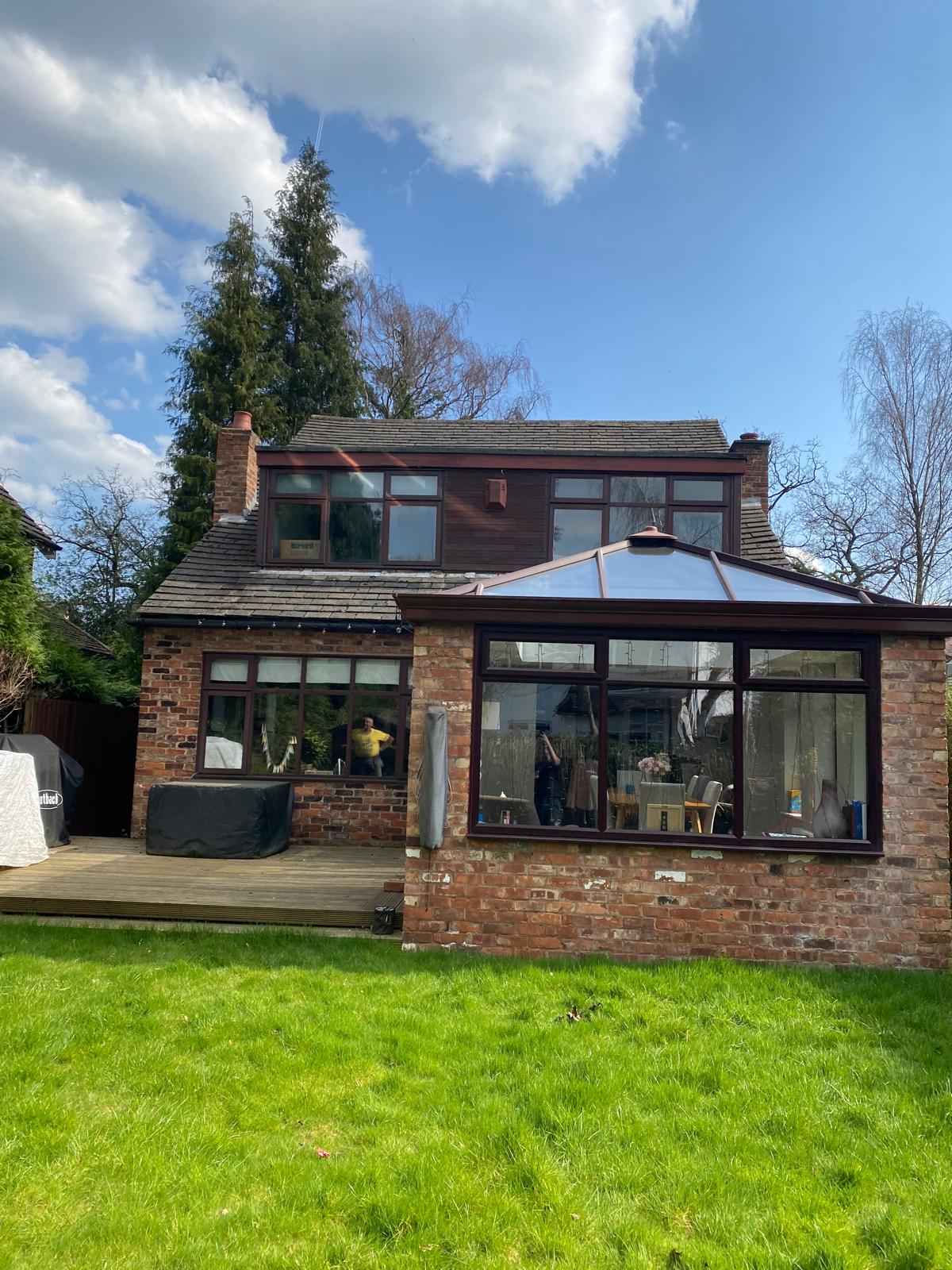
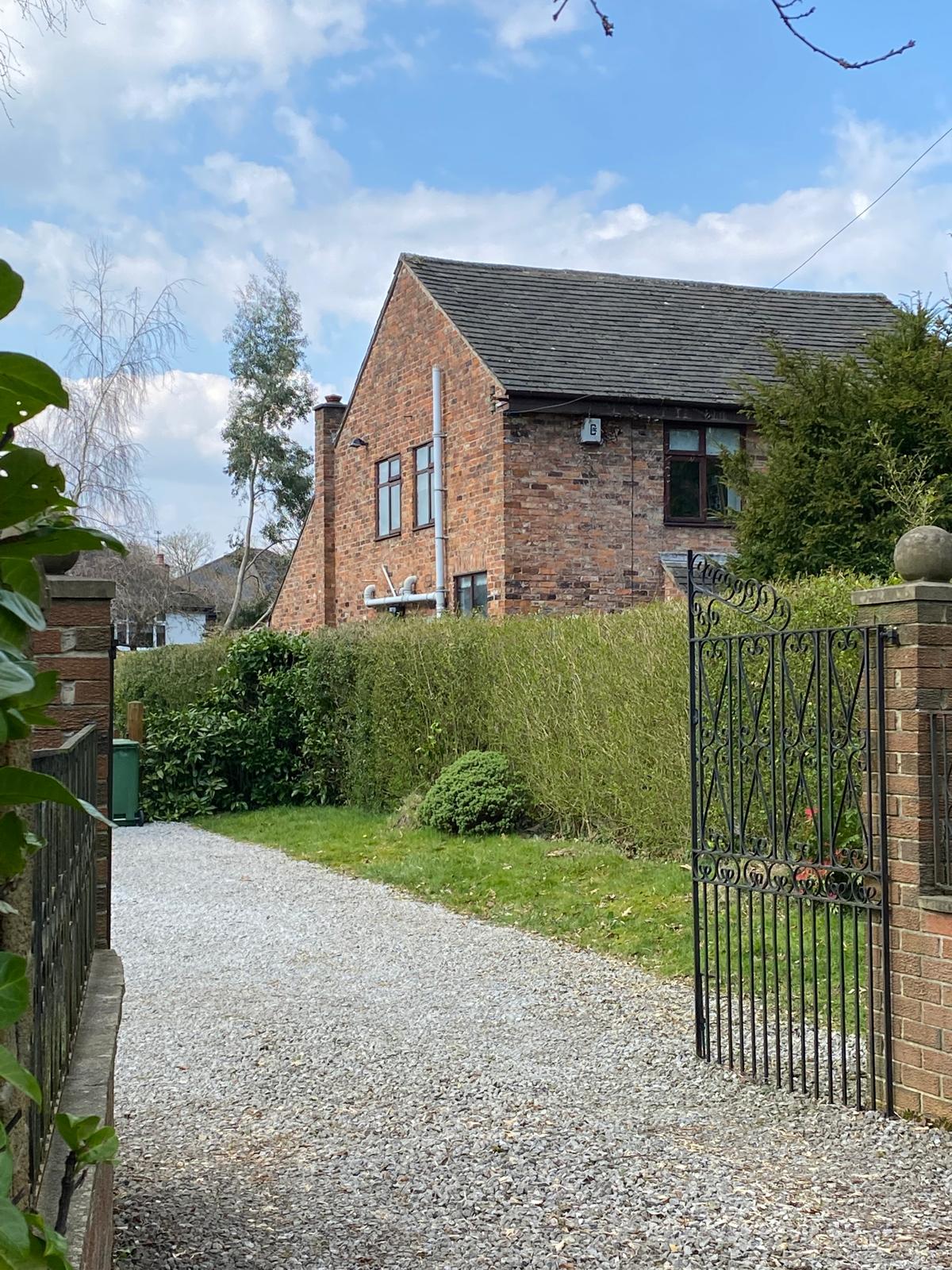
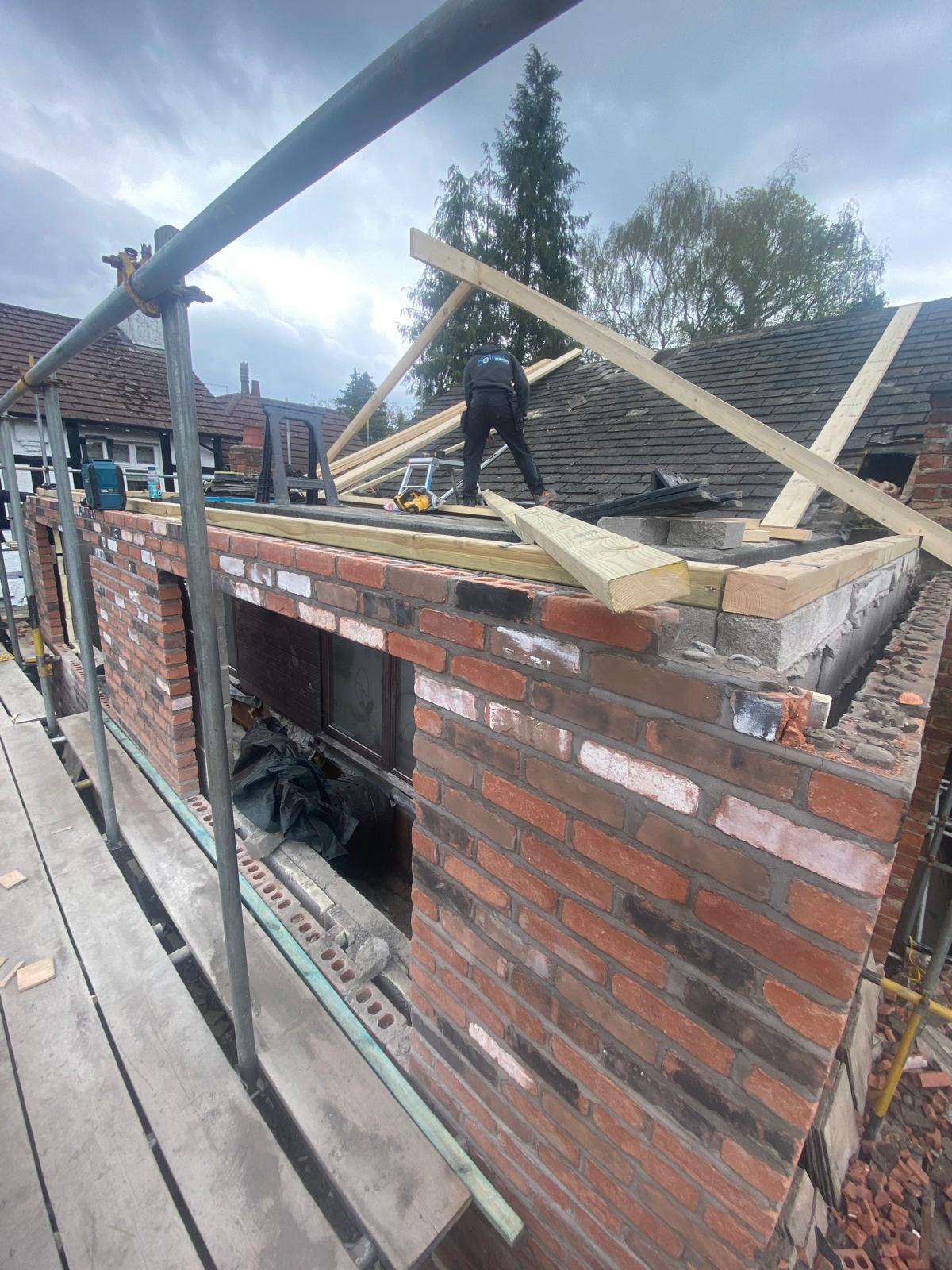
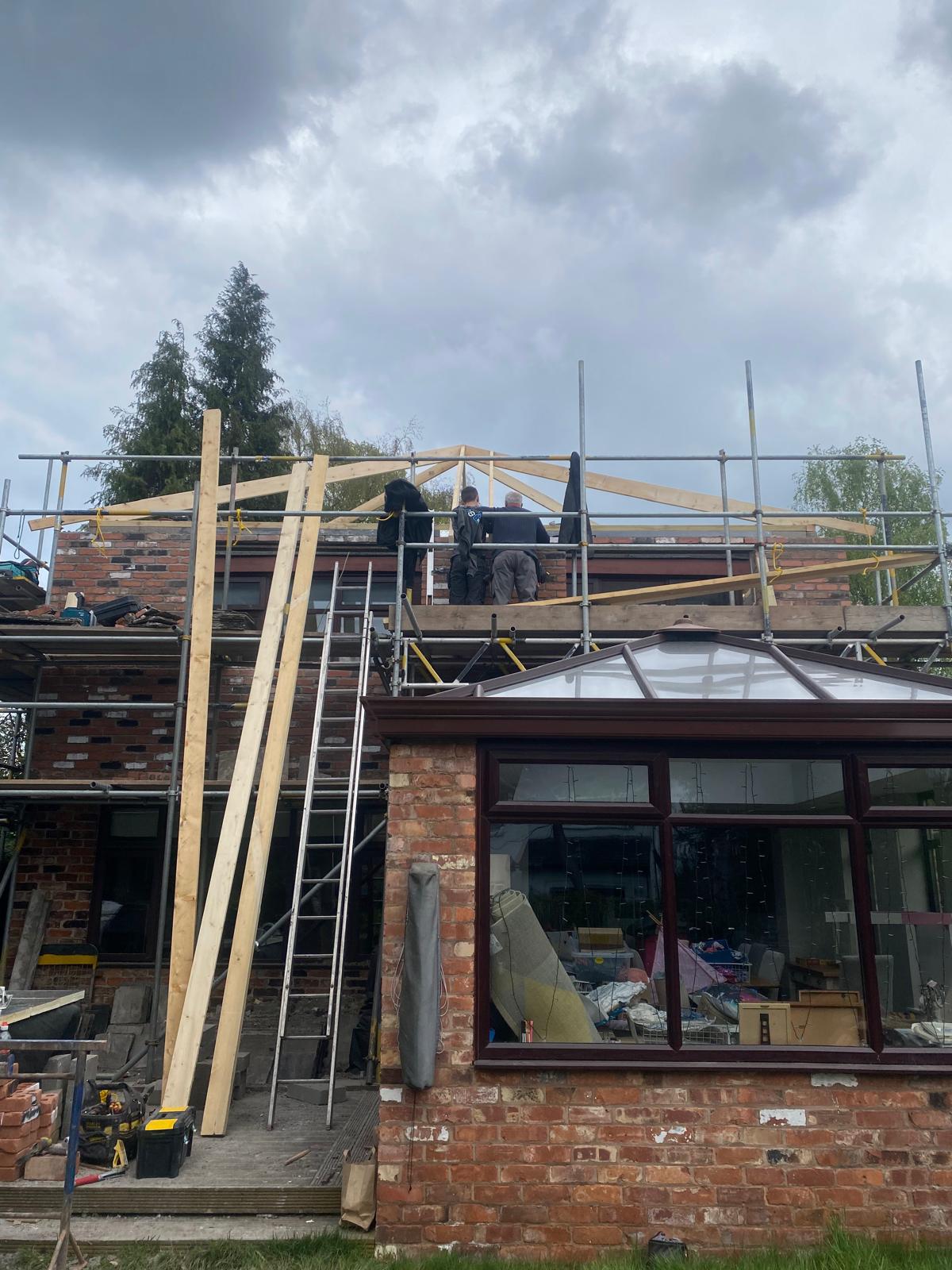
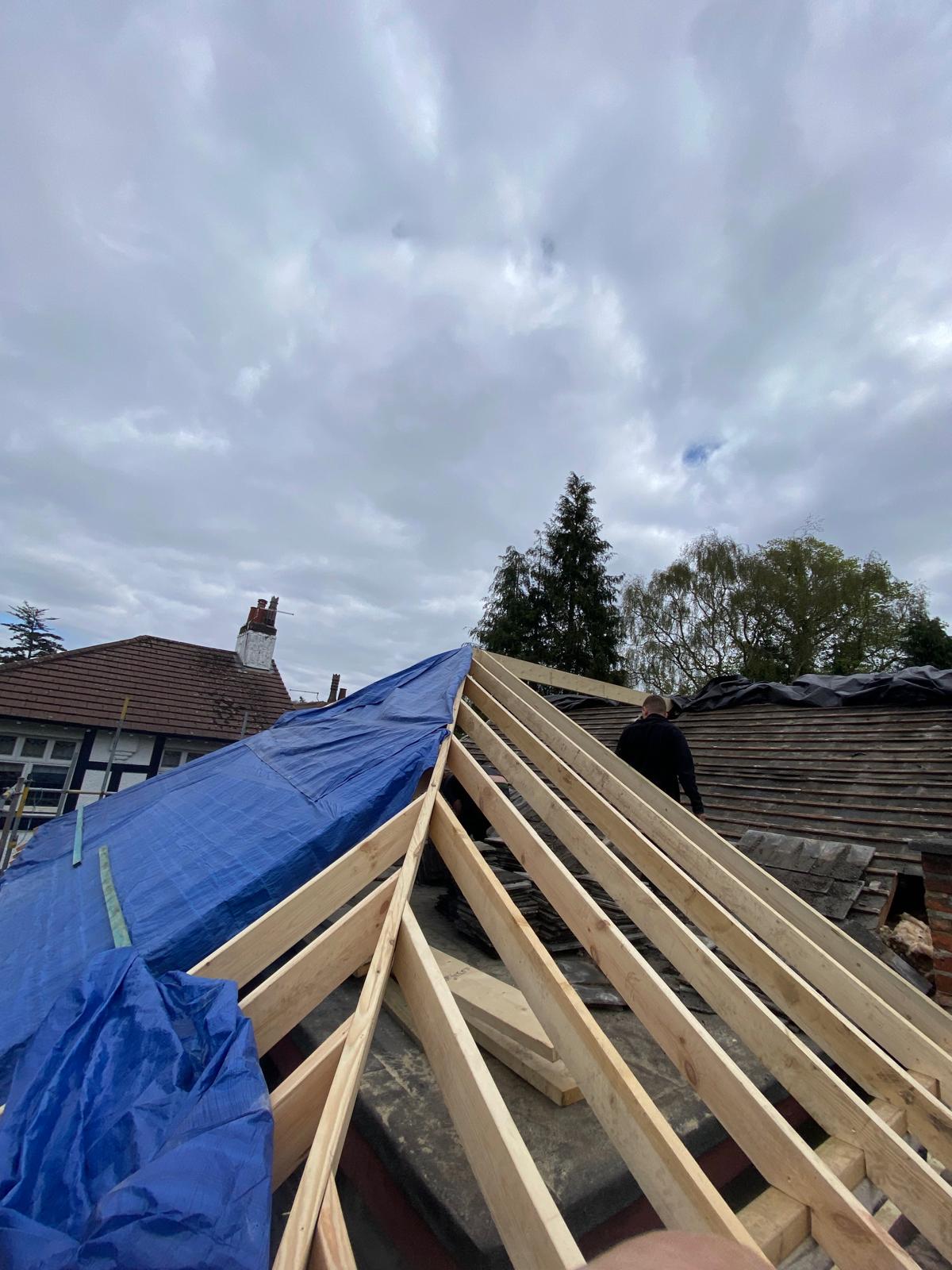
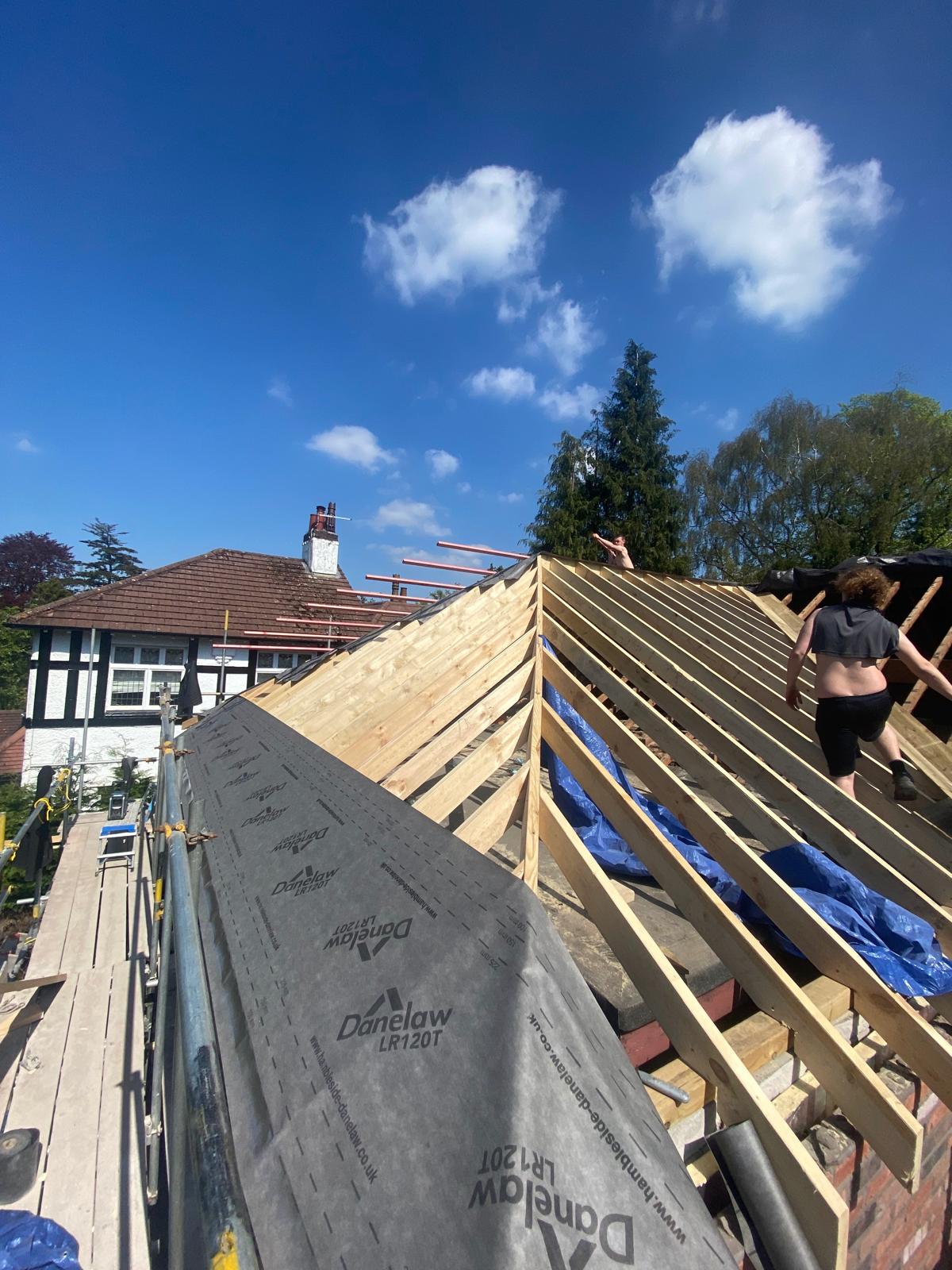
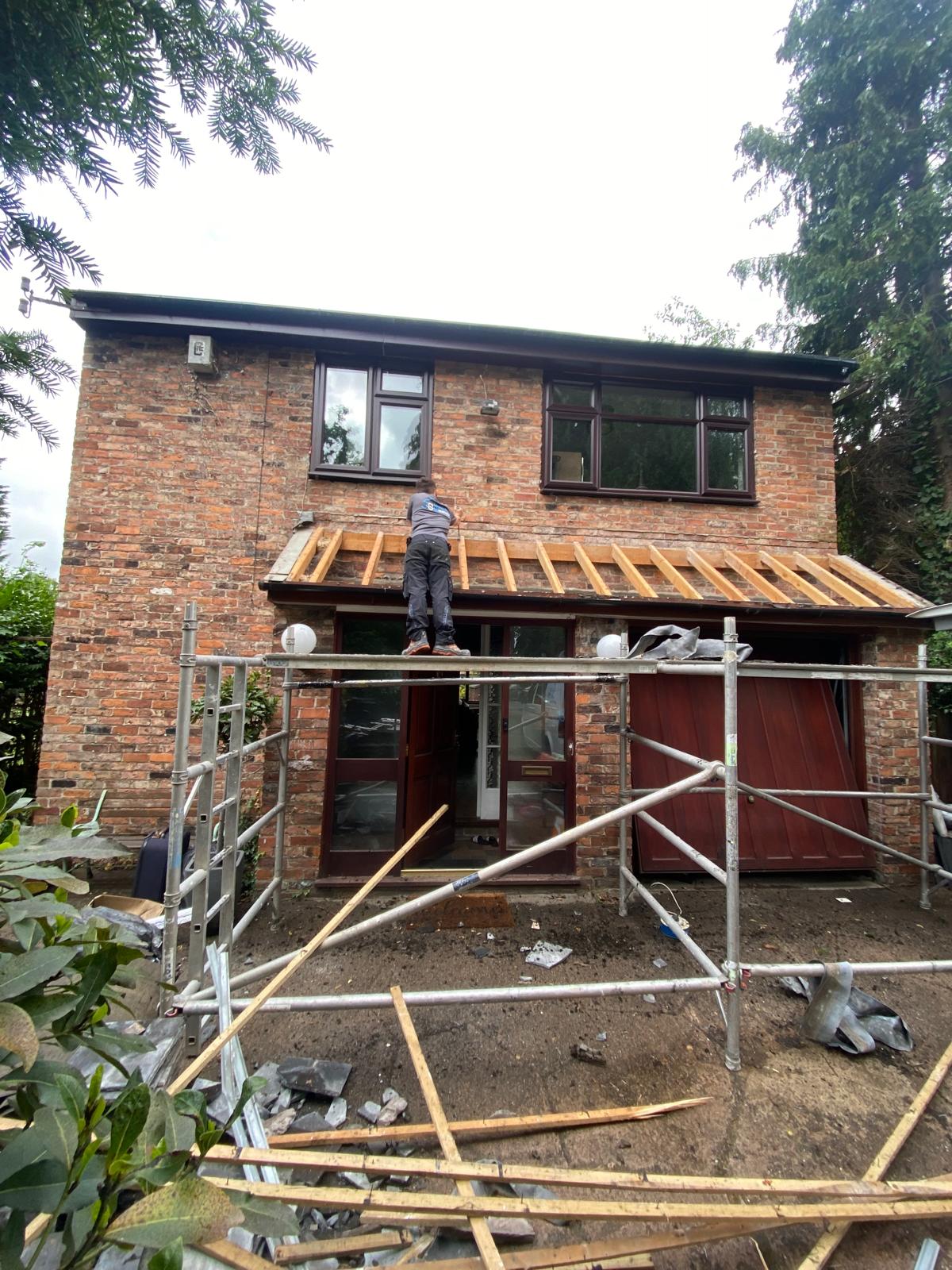
A selection of finished builds. See the full set on the Our Work page.
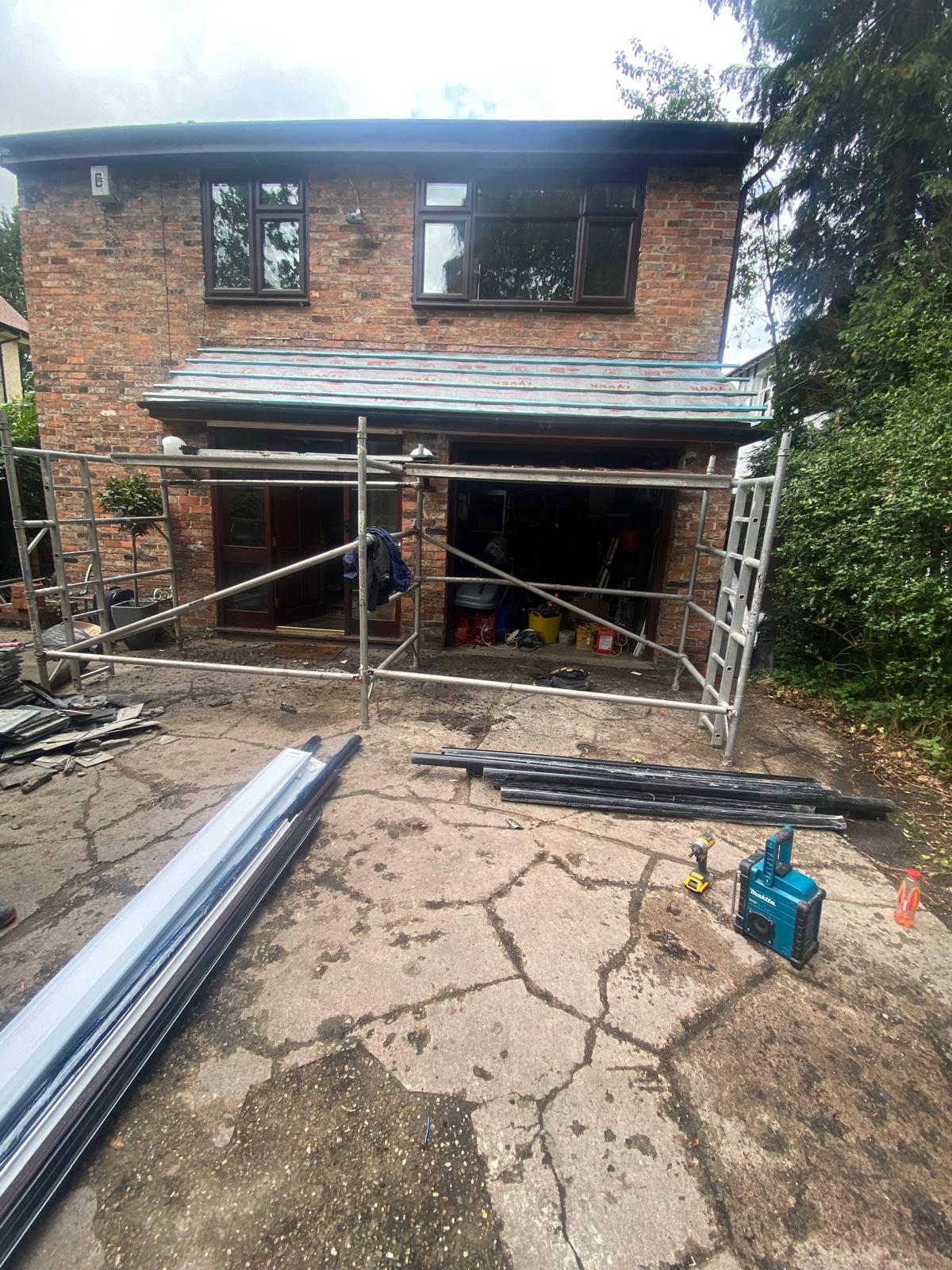
Areas covered
Basement Conversions & Underpinning across Salford, Manchester and Greater Manchester.
FAQ
Straight answers to the questions clients actually ask.
Still got a question? Call us on 07701 078833 or request a callback.
How much does a basement conversion cost in Salford?+
Cellar conversion without lowering: £40,000–£70,000 depending on size and spec. Lowering and underpinning: £85,000–£160,000. New excavation: £160,000+. Fixed written quote after specialist survey.
How long will it take?+
Cellar conversion (no lowering): 8–12 weeks. Lowering and underpinning: 16–24 weeks. New excavation: 28–40 weeks. Written programme issued with the contract.
Will the basement be dry?+
Yes, by design. Type C cavity-drained waterproofing with twin-pump sump and battery back-up manages water actively. Designed and certified to BS 8102:2022.
Do I need planning permission?+
Most below-footprint basements are Permitted Development. Light-wells and external excavations usually need planning. We check on every project.
What about Party Wall?+
Almost always required. We serve all relevant notices, appoint the surveyor and manage the schedule of condition for adjoining owners.
What guarantees come with the work?+
Written workmanship guarantee, plus waterproofing system manufacturer warranty (typically 30 years) and sump/pump manufacturer warranty. All issued at handover.
Will my house insurance be affected?+
Notify your insurer ahead of works. Most underwriters accept properly engineered and certificated basement work without premium loading, we provide the document set.
Is underpinning always required?+
Only where head-height needs to increase or where existing foundations are inadequate for habitable loading. For 'as-existing' cellar conversions, no underpinning is required.
Related services
Often combined with basement conversions & underpinning.
Next step
Find the extra storey you already have.
Book a basement-specialist survey. We attend with structural engineer and waterproofing designer and follow up with a fixed written price within 14 working days.
- Fixed-price written quote, no day-rate surprises.
- Single accountable team, no subcontractor finger-pointing.
- Stage payments tied to milestones, no large upfront deposit.
- Building Control sign-off and written workmanship guarantee.